Insurance can feel like its own financial category — something you pay into year after year with the quiet hope that one day you’ll “get something back.” It’s a natural assumption, especially in a world where most financial products are designed to grow your money. But insurance doesn’t work that way.
As insurance expert Karl Susman often reminds listeners on The Insurance Hour, “Your insurance policy is not a savings account. Your insurance policy is an insurance policy. There is a difference.” That difference is foundational to understanding how insurance actually works — and why confusing it with savings leads to frustration, poor decisions, and unrealistic expectations.
The Core Purpose of Insurance: Protection, Not Profit
When you put money into a savings account or investment, the goal is growth. You expect to get your principal back, plus interest or returns. It’s a cumulative, predictable relationship between your money and your future benefit.
Insurance operates on the opposite principle. You pay a premium not to grow your money, but to transfer risk. You’re buying protection from financial disaster, not building a personal asset.
As Susman puts it:
“With an insurance policy, you put money in, and you hope you never get a penny out. Because if you get a penny out, it means something bad has happened.”
That’s the paradox of insurance. It’s the only financial product you purchase hoping you never have to use.
Why So Many People Misunderstand Insurance
Insurance feels transactional. You make regular payments, sometimes for decades, without seeing a direct return. Human psychology naturally looks for reciprocity — when we give something, we expect something back. When nothing tangible comes back, frustration builds.
But your premium isn’t being set aside for you. It’s being pooled with the premiums of thousands of other policyholders to fund the losses of the few who experience major disasters.
This misunderstanding leads many people to view insurance as a personal piggy bank they should be able to “cash in.” That mindset often results in:
- Filing unnecessary claims for small issues
- Frustration when deductibles or exclusions apply
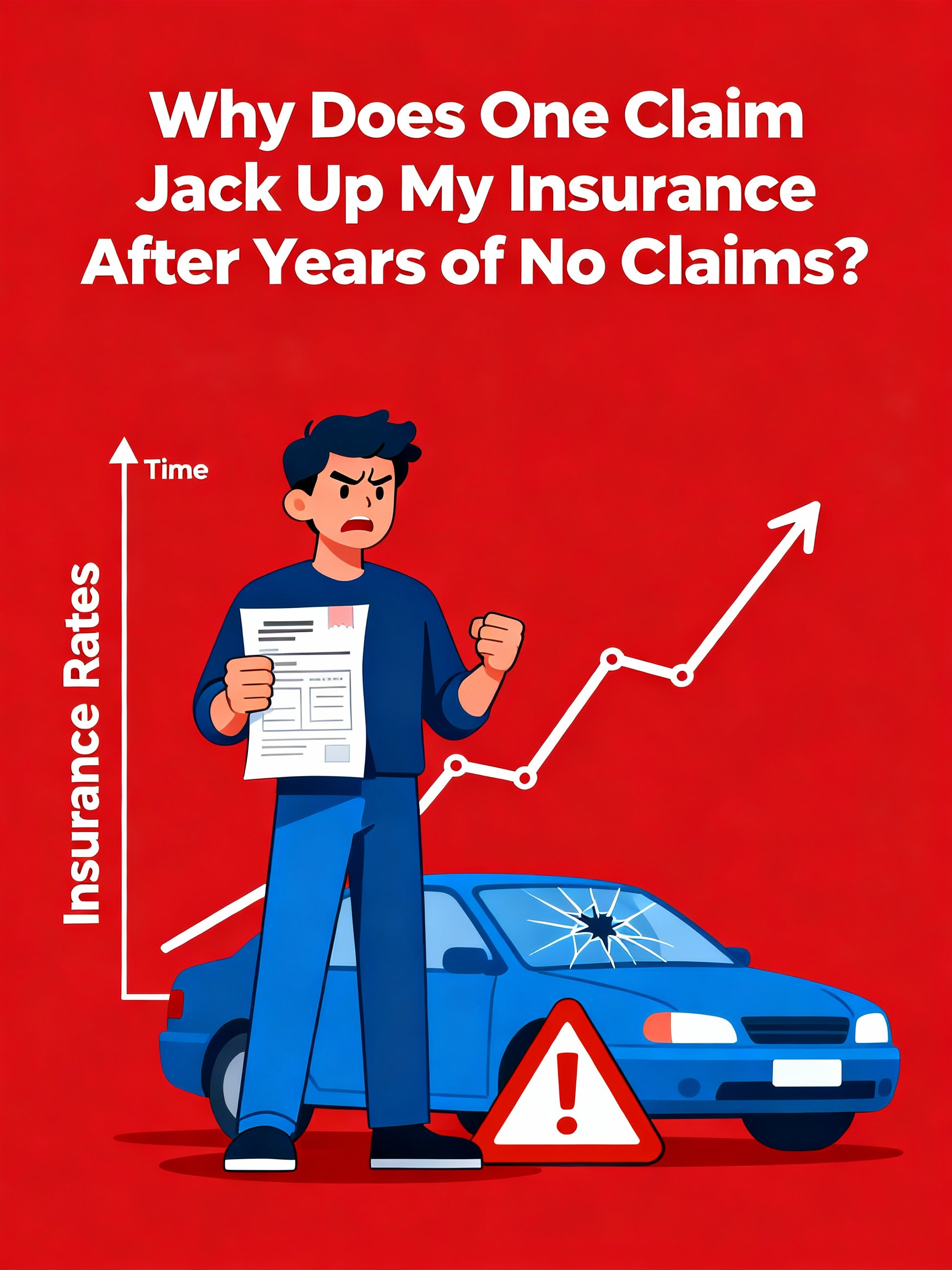
- Policy cancellations or significant rate increases after frequent claims
You’re not paying into your personal future claim. You’re buying peace of mind that someone else will shoulder the financial burden if disaster strikes.
How Risk Pooling Actually Works
Insurance is built on a concept called risk pooling. Many people contribute small, predictable amounts so that a few people can receive large, unpredictable payouts.
For example, if 1,000 homeowners each pay $1,000 per year for fire insurance, the insurer collects $1 million. If 10 homes burn down and cost $100,000 each to rebuild, the pool covers those losses. Everyone shares the cost of those few catastrophic events.
If insurance worked like a savings account — where everyone got their money back — there would be no funds available to pay for those major losses. The entire system would collapse.
That’s also why premiums are nonrefundable. They weren’t saved for you — they were used to protect the group, just as the group stands ready to protect you.
What You’re Really Paying For: Risk Transfer
The true product of insurance is risk transfer. You are shifting the possibility of devastating financial loss from yourself to an insurance company.
Without insurance, one event — a major accident, a house fire, a lawsuit, or a medical emergency — could wipe out a lifetime of savings. With insurance, that same event becomes financially survivable.
You’re not pre-paying for a guaranteed payout. You’re paying for a promise: if the worst happens, you won’t face it alone.
The peace of mind that comes with that promise is the real return on your premium.
The Danger of “I Want My Money Back” Thinking
When people treat insurance like an investment, they often make short-sighted financial choices. They may cancel coverage when they don’t “see a benefit,” shop only for the lowest possible price, or file small claims just to feel like they’re getting something back.
These behaviors can create serious long-term problems:
- Frequent small claims can label you as high-risk and drive up future premiums
- Dropping coverage to save money can leave you uninsured when disaster strikes
- Buying the cheapest policy often means accepting dangerous coverage gaps
As Susman often says, “Insurance isn’t a savings plan. It’s a shield.”
Life Insurance and the Source of Confusion
Life insurance adds another layer of misunderstanding because some policies do include a savings component. Whole life and universal life insurance can build cash value that grows over time and can be borrowed against.
However, most people carry term life insurance, which is pure protection. You pay for coverage for a fixed number of years, and if you outlive the term, the policy simply expires with no payout.
Even with cash-value life insurance, protection remains the primary purpose. The savings element is usually less efficient than traditional investments like retirement accounts or mutual funds.
As Susman explains, “If your goal is to save money, go to a bank. If your goal is to protect your family, buy insurance. They’re different tools for different jobs.”
How This Misconception Drives Rising Insurance Costs
When large numbers of people treat insurance like a refund system, it impacts the entire market. Small, unnecessary claims increase overall losses, forcing insurers to raise premiums for everyone.
It also fuels the perception that insurers “take your money and never pay out.” In reality, most legitimate claims are paid. What’s not covered is routine maintenance, gradual wear and tear, and predictable ownership costs.
Insurance is designed for catastrophic, unexpected events — not oil changes, aging roofs, or routine mechanical breakdowns.
Reframing How You Think About Your Premium
A healthier way to look at insurance is to stop asking, “What am I getting back?” and start asking, “What risk am I transferring?”
That shift changes everything. You’re no longer seeking a refund — you’re buying resilience. Your premium becomes the cost of protecting your financial future against events you cannot control.
You’re paying so that one bad day doesn’t undo everything you’ve worked for.
The Real Return on Insurance: Financial Stability
Ironically, the less you use your insurance, the better it’s performing. Every year you go without a claim means you avoided a loss — a financial and emotional win.
The true return on insurance isn’t measured in checks. It’s measured in:
- Security when something goes wrong
- Stability after a major loss
- The ability to rebuild without financial ruin
That’s a return no savings account can replicate.
Final Thoughts: Respect the Difference
At its core, Karl Susman’s message is simple but powerful:
“Your insurance policy is not a savings account. Your insurance policy is an insurance policy.”
You don’t buy insurance to make money. You buy it to avoid losing everything. It’s protection against the unpredictable — not a deposit for the predictable.
When you understand that distinction, frustration fades, expectations become realistic, and insurance transforms from a source of resentment into what it’s meant to be: a powerful tool for peace of mind in an uncertain world.